- Working Theory
- No. 17
- Author
- Chelsea Stewart
- Reading
- 2 min
The Median Is Free Now
AI gives anyone a decent first draft in seconds. When decent is free, the work moves: from making the first version to knowing which way to move it, and why.
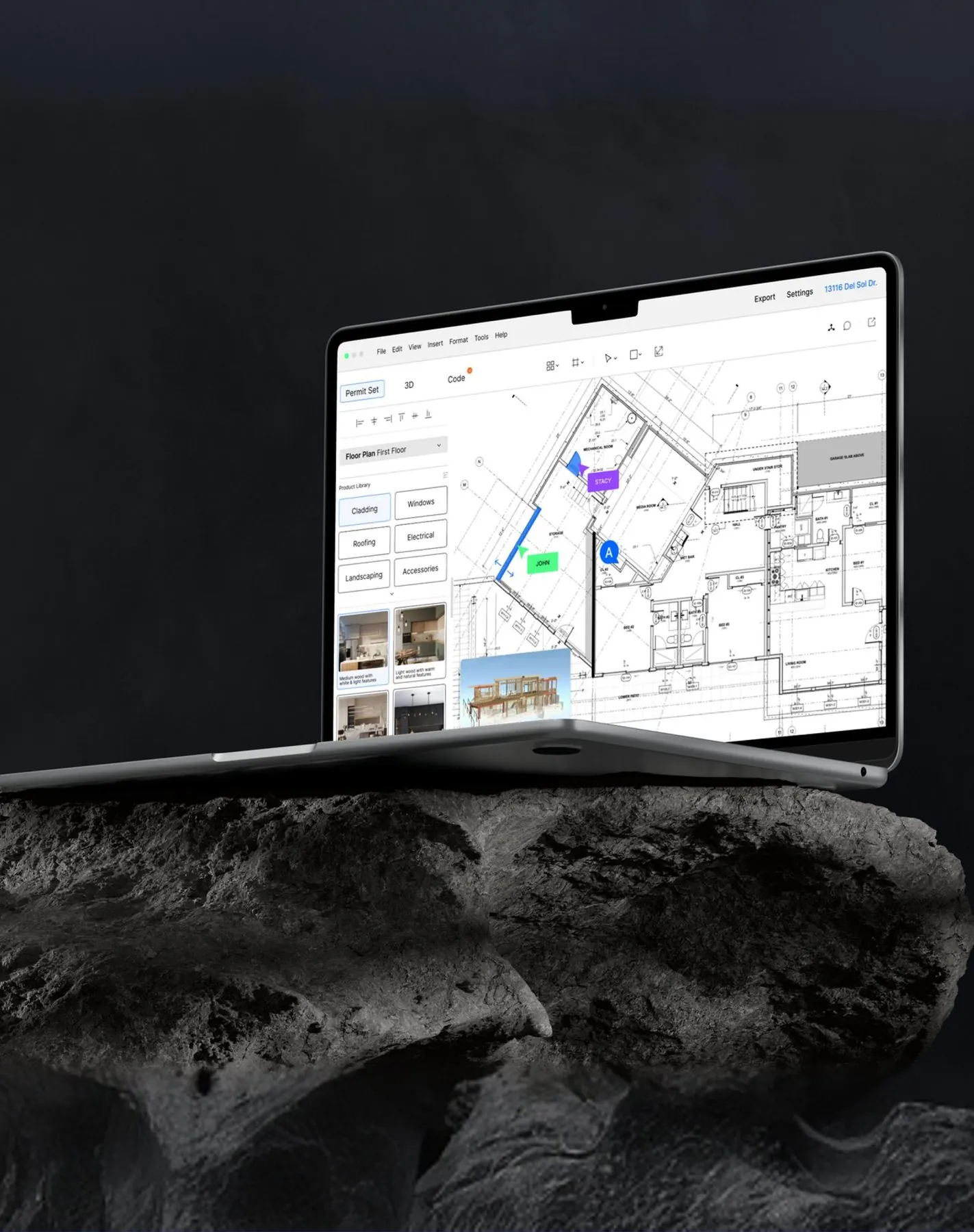
Anyone can get a decent logo, a decent landing page, or a decent paragraph in about thirty seconds. That happened quickly, and most of the conversation about it has been about who loses their job. I am more interested in what it did to the word decent.
Decent used to cost something. It took a trained person a few days to produce work that was clean, on grid, and appropriate for the category. Clients paid for that and were right to. Now the tools produce it on the first try, every time, for everyone. When something is that easy to get, it stops telling anyone anything. A competent page no longer signals that a company took care. It signals that a company has a subscription.
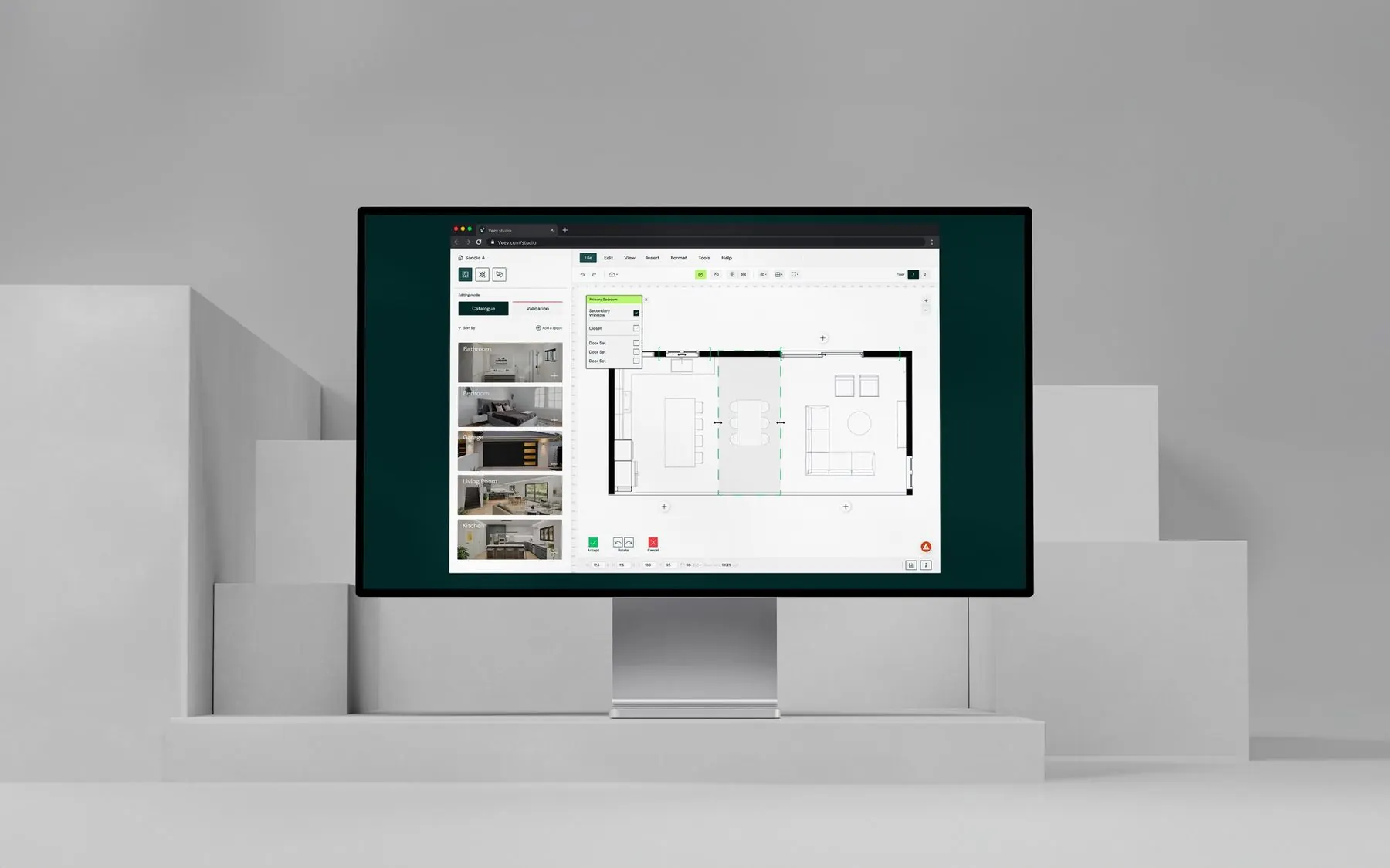
This is the part I find useful. The tools are trained on everything that already exists, so what they hand back is a very good guess at the middle. Ask for a fintech landing page and you get the average fintech landing page. It will be fine. It will also look like forty other companies, because it is made of them.
So the work I get paid for moved. It used to start at a blank page. Now it starts at the median, already sitting there, and the job is deciding which direction to move it and how far. That decision depends on knowing the company well enough to say what is true about it that is not true about the forty others. No tool can make that call, because the information is not in the training data. It is in the room, in the founder’s head, in the product, in the people who buy it.
I think this is good news for designers who were already doing that part of the job. The tedious hours between the idea and the first decent version mostly disappeared. What is left is the part that was always hardest to teach and hardest to fake.
It is bad news for one habit I see in a lot of portfolios, including old pieces of mine. Work that was mainly about execution, where the case study is really a list of deliverables, is going to read very differently in a year or two. Clean is now the floor. Nobody will be impressed by the floor.
The question I ask on every project now is simple. If a tool could have made this without talking to anyone at the company, what did we add? If I cannot answer that, the work is not done.